As I sit down to write this week’s column, I feel an overwhelming urge to reflect on Remembrance Sunday, a day that resonates deeply for countless individuals across the United Kingdom and the Commonwealth.
It’s a solemn occasion, yes, but it’s also a heartwarming reminder of the courage and resilience that transcends generations.
Some time back, I delved into the significance of the poppy, that little red flower that has become a symbol of remembrance.
To my surprise, I learned that it was inspired by the haunting lines of the World War One poem “In Flanders Fields.”
The opening lines evoke a powerful image of vibrant red poppies flourishing amidst the devastated landscapes of soldiers’ graves in Flanders, a region in Belgium that bore witness to unimaginable loss.
These delicate flowers, emerging from the churned earth, stand as a testament to life persisting in the face of death, a poignant reminder that even amidst despair, hope can blossom.
It’s like finding a bright red poppy in a field of grey; it’s a little nudge from the universe saying, “Hey, life goes on!”
Remembrance Sunday is not just a date on the calendar; it’s a sacred moment to honour those who have given their all for our freedoms.
It invites us to pause and reflect on the heavy price paid for our choices and the liberty to express our thoughts.
It’s a day to acknowledge that our voices, including mine (with the editor’s approval, of course), are the result of countless sacrifices made by brave souls who believed in a future where freedom reigns.
As we gather to remember, let us carry forward the legacy of those who served, ensuring that their stories and sacrifices are never forgotten.
This day, and the symbol of the poppy, implore us to honour their memory with gratitude and resolve.
So, as you don your poppy this Remembrance Sunday, take a moment to reflect, not just on the past, but on the present and future we are building.
Let’s celebrate the resilience of the human spirit and the hope that blooms even in the darkest of times.
After all, if a little flower can thrive in the most challenging conditions, so can we.
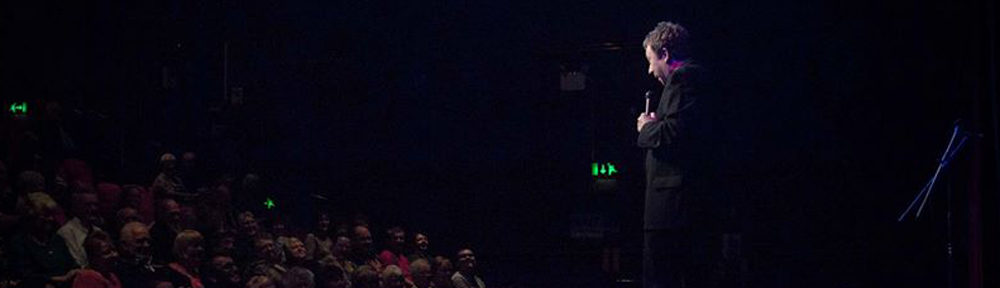
Phil Evans, Stand up Comedy
He's Brilliant, Hire a Comedian!